

The fuel injector is a crucial component of a vehicle's engine system, responsible for delivering the precise amount of fuel into the combustion chamber at the right moment. Understanding the structure and function of the fuel injector is essential for maintaining optimal engine performance and fuel efficiency.
Structure of the Fuel Injector
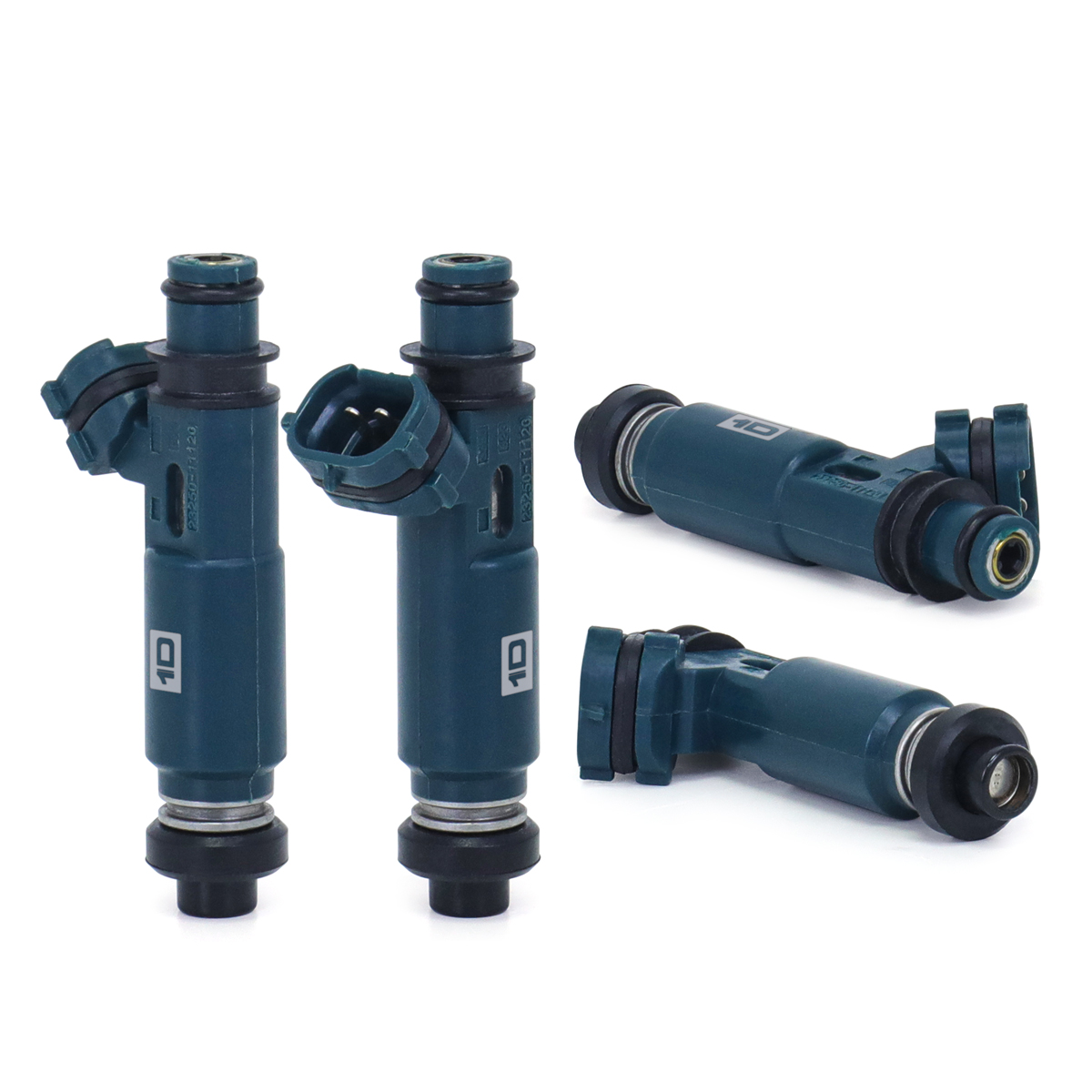
A typical fuel injector consists of the following main components:
- Nozzle: The nozzle is the part of the fuel injector that sprays the atomized fuel into the combustion chamber. It is designed to create a fine mist of fuel that mixes with the incoming air for efficient combustion.
- Solenoid: The solenoid is an electromagnetic coil that controls the opening and closing of the injector valve. When an electrical pulse is sent to the solenoid, it moves a plunger that opens the injector valve, allowing fuel to be injected into the combustion chamber.
- Valve: The valve in the fuel injector controls the flow of fuel into the combustion chamber. It opens and closes in response to the signals from the engine control unit to regulate the fuel delivery.
- Filter: The fuel injector is equipped with a filter to prevent any contaminants or debris from entering the combustion chamber. A clean filter ensures smooth fuel flow and prevents clogging of the injector nozzle.

Function of the Fuel Injector
The primary function of the fuel injector is to spray the right amount of fuel into the combustion chamber at the precise moment to ensure efficient combustion. Here is how the fuel injector works:
- Fuel Delivery: When the engine control unit sends an electrical signal to the fuel injector, the solenoid is activated, and the injector valve opens, allowing pressurized fuel to enter the combustion chamber through the nozzle.
- Atomization: The fuel is sprayed out of the nozzle in a fine mist or atomized form, which allows it to mix with the incoming air more effectively. This atomization process helps in achieving a better air-fuel mixture for combustion.
- Injection Timing: The fuel injector's timing is crucial for proper engine operation. The injector must deliver the fuel at the right moment in the engine's combustion cycle to ensure optimum power output and fuel efficiency.
- Fuel Efficiency: By precisely controlling the amount of fuel delivered to the combustion chamber, the fuel injector helps optimize fuel consumption and reduce emissions. This efficiency is essential for meeting modern emissions standards and improving overall engine performance.
Working Principle of the Fuel Injector
The working principle of the fuel injector is based on a sophisticated system of electronic and mechanical components that work together to deliver fuel to the engine. Here is a simplified explanation of how a fuel injector operates:
- Activation: When the engine control unit determines the amount of fuel needed based on various inputs such as engine speed, load, and temperature, it sends a signal to the fuel injector to activate.
- Solenoid Action: The electrical signal energizes the solenoid in the fuel injector, which moves a plunger to open the injector valve. This action allows pressurized fuel to flow through the injector nozzle.
- Spray Pattern: The fuel is sprayed out of the injector nozzle in a specific pattern to create a fine mist of atomized fuel. The spray pattern is designed to optimize fuel-air mixing for efficient combustion.
- Timing: The engine control unit precisely controls the timing of the fuel injector operation to deliver the fuel at the right moment in the engine's combustion cycle. This timing is crucial for achieving optimal engine performance and fuel efficiency.
Damage to the fuel injector will shorten the life of the engine, and you need to replace it with a new one. You can contact 1D Auto Parts Co., Ltd., and we will replace a new fuel injector for you. In addition, if you need other auto parts, such as spark plug, ignition coil, cylinder liner, cylinder gasket, etc., you can also contact us.
Contact us to learn more
Whatsapp : 0086 17724222272
Wed : www.1dauto.com www.1doem.com