

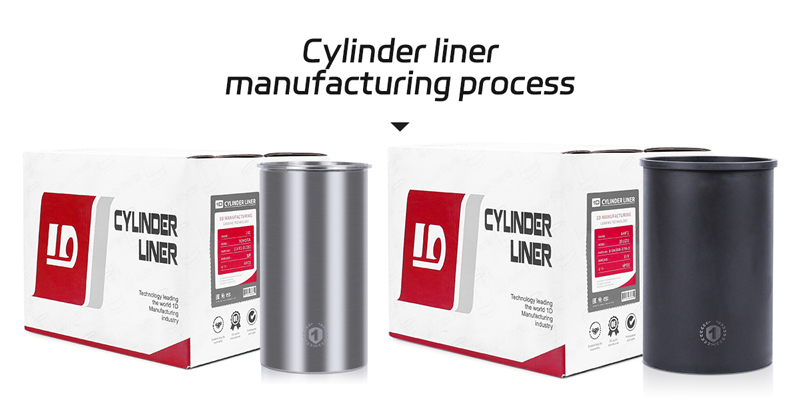
Understand the cylinder liner manufacturing process
A cylinder liner is a tubular component that goes into the engine block to form the cylinder.
A cylinder liner is a tubular component that goes into the engine block to form the cylinder. These are very important aspects of the engine interior.
Cast iron has become a commonly used material because of its grease-like properties, as a result of graphite found in its microstructure.
In addition to its strength and corrosion resistance properties, and the ability to provide a smoother appearance for the piston ring to move along its length, cast iron is a commonly used material because of its ability to provide a good surface for the piston ring to slide along its length.
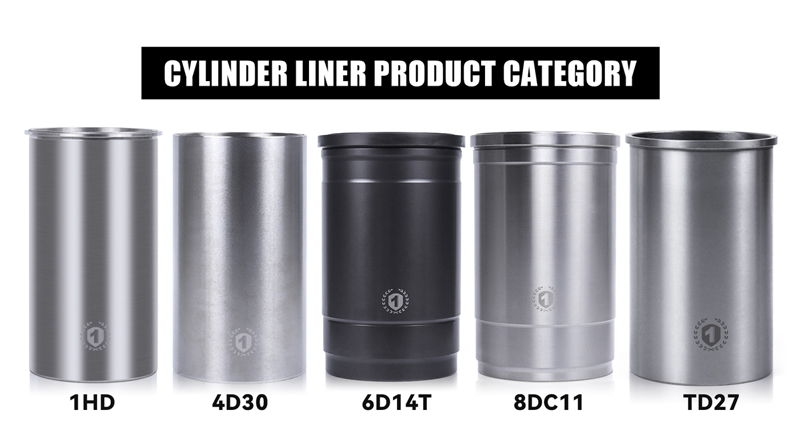
Cast iron is usually brittle, which helps to avoid or reduce the likelihood of the piston getting stuck during use, and is often used as a precaution to prevent noticeable flaps from occurring during piston movement.
Cylinder liner is the key component of the vehicle core components. It is a thin-walled barrel used as a container for igniting gasoline. It is a cylindrical component installed in the engine block that allows the piston matrix to respond internally while maintaining robustness. You can quickly replace these liners when they wear out.
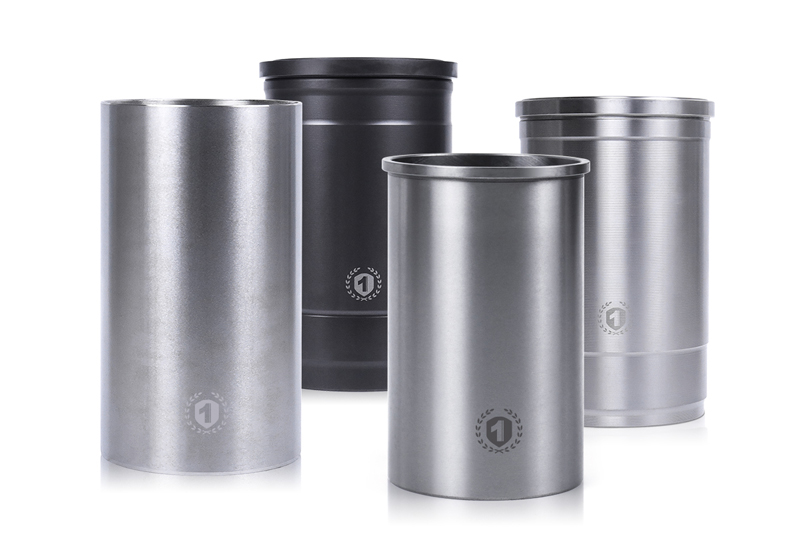
What are the characteristics of a successful cylinder liner?
Durable - As the lining between the cylinder and the cylinder configuration, even if the piston is in continuous motion and the pressure is very high, the cylinder liner must be able to withstand this condition so as not to affect the output of the engine.
High wear resistance - The lining should exhibit high wear resistance and should not wear out during each combustion cycle.
Act as a sealant - During the combustion process, there is high pressure and heat, which is what produces the power output. Cylinder liner must prevent compressed gas from escaping from the combustion chamber.
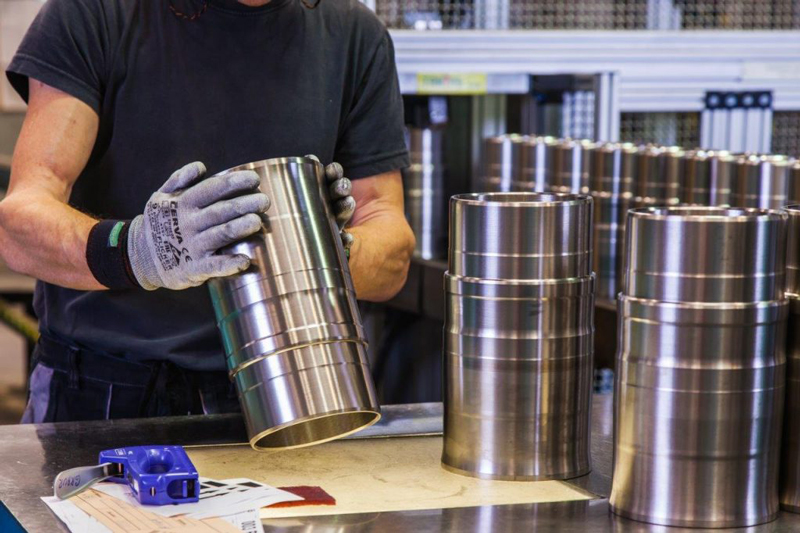
How to make cylinder liner?
To withstand high strength, cylinder linings are usually made of gray cast iron. To produce these replacement parts, centrifugal casting equipment is used. In the lead-in furnace, the old cast iron is going crazy. The molten metal is then distributed to the motor casting equipment.
A durable die rotates continuously around its axis at high speed. As a result, the molten metal is dumped so that the metal is evenly distributed in the mold. Because scum weighs less than iron, it needs to be drilled into the rock. They are eventually removed during processing due to centrifugal force.
Compared with the traditional casting method, the casting has a finer grain and no porosity. The presence of chromium increases corrosion resistance.
Different forms of cylinder liner can be used depending on engine form, combustion fuel, engine application, piston-piston ring configuration, and material composition.
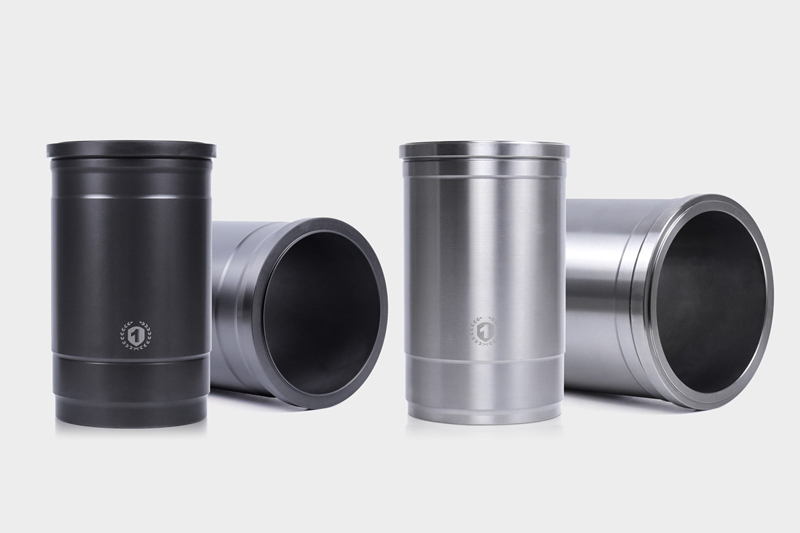
Dry cylinder liner
Dry cylinder liner is a very basic and widely used cylinder liner.
They are made of extremely tough materials, such as cast iron and ceramic nickel plating, that can withstand high temperatures and strains. Because they are small, they are close to the engine block for the entire length of the cylinder.
Wet cylinder liner
They are similar to dry cylinder liners in composition and operation, but they are heavier and are specifically connected to the engine coolant mechanism. This design allows for better heat dissipation and keeps the engine cold. Unlike dry liner, wet liner only makes contact with the cylinder block at the extreme.
Our 1D company is a professional manufacturer of cylinder liner, if you need, please contact us.
To provide you with higher quality and better cylinder liner, solve all your problems.
Whatsapp: +86 13380069746 Web: www.1dauto.com Email:onedauto@qq.com