

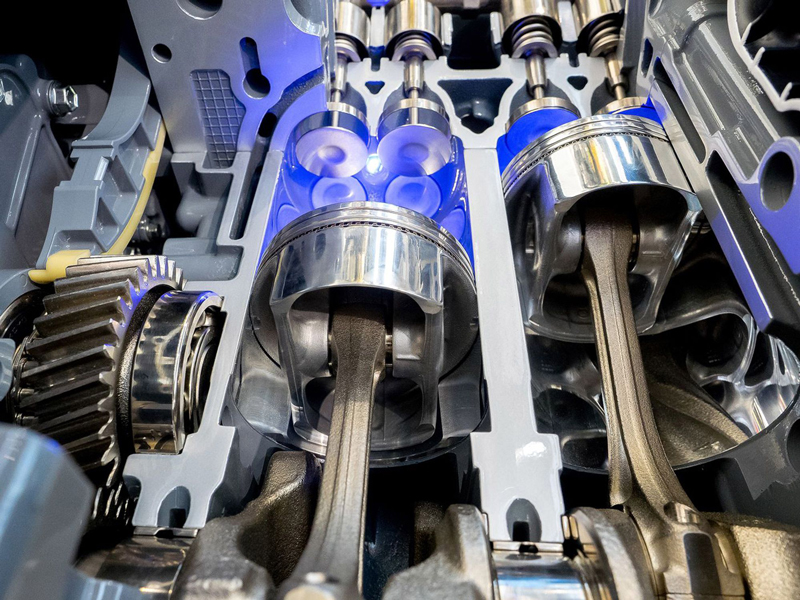
What is a piston and how does it work?
A car engine is a complex structure with hundreds of moving parts.
One of the most recognizable parts, though, is the piston.
Even though you've heard about its importance, you probably can't explain what it does, right?
Let's look at the role of pistons in car engines and the problems they can have.
What is a piston?
Pistons are metal parts that move inside cylinders, like battering RAMS.
The edge of the piston is fitted with rings that seal it to the cylinder wall.
The piston is made of cast aluminum or cast iron and is connected to the crankshaft by connecting rods and pivots on the rods by piston pins.
Each cylinder in the engine has a piston.
The connecting rod forces the crankshaft to rotate as the piston moves up and down in the cylinder.
This constant push tension translates into power for all of the car's functions, from spinning the alternator and power steering pump to sending torque to the drive wheels.
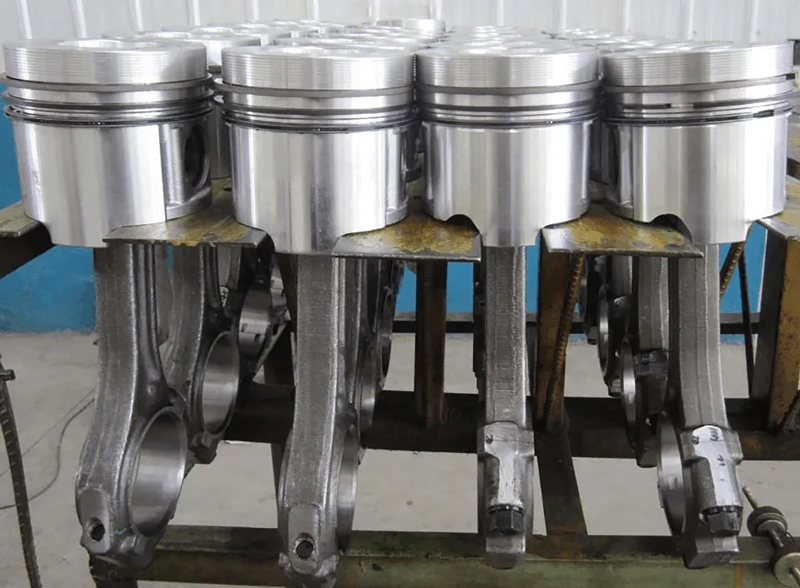
What does the piston do?
In any internal combustion engine, the piston plays four roles in each cycle.
First, as the piston descends, it draws air and fuel into the cylinder or combustion chamber.
Second, on its way up, it compresses the air and fuel in the cylinder, so it explodes when it ignites.
Third, the spark plug ignites the air-fuel mixture and the force pushes the piston back into place.
Fourth, the piston returns to the top of the cylinder to expel the burned gas (exhaust) from the cylinder.
Then, the cycle repeats over and over, hundreds or thousands of times per minute.
What could go wrong?
As you can imagine, the piston has to be very durable to withstand all that energy.
Still, there will be some small and annoying problems or big and disastrous ones.
1. Piston slap
When the piston is worn and can swing from side to side instead of moving vertically, the bottom edge of the piston or skirt will contact the cylinder wall.
This is a sign of piston wear.
2. Burn oil
This is a major problem with older cars.
An engine that burns oil is a clear sign that the piston rings are not sealing the cylinder well and that the oil is entering the combustion chamber.
3. Broken connecting rod
Connecting rods can detangle from pistons or crankshafts due to defects, abuse, or lack of lubrication.
It usually takes out the rest of the engine eventually as well.
4. Loose piston pin
The engine rattling may mean that the piston pin or piston pin has too much clearance where it joins the piston.
5. Piston burnout
Improper air-fuel mixture can be extremely unhealthy inside the engine and even cause high temperatures to melt the top of the piston!
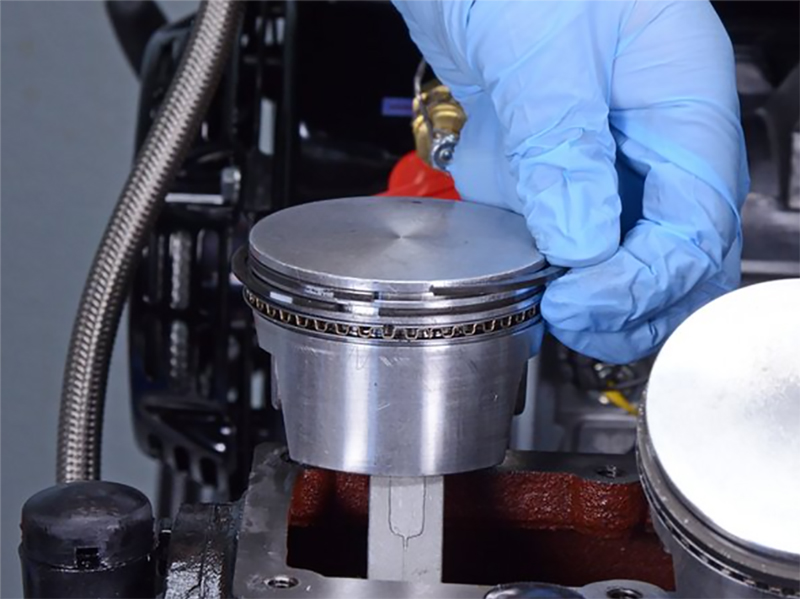
Can you replace the piston?
The good news is that most cars can replace pistons as long as the engine block itself isn't damaged.
In almost every case, it's not just a piston that needs to be replaced - it's an engine overhaul.
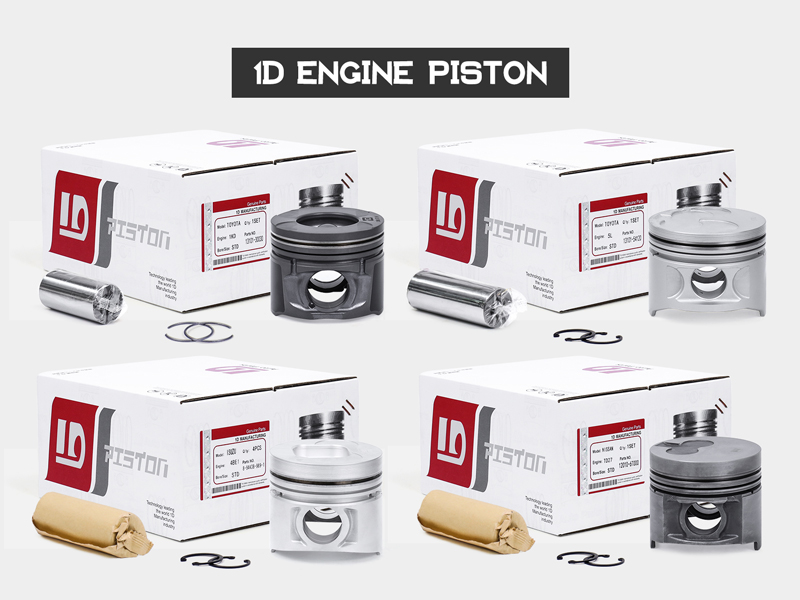
As can be seen from the above problems, it is very important to regularly check and replace the piston, if the piston is not replaced for a long time, it will seriously damage the engine.
Our 1D company is a professional manufacturer of pistons, if you believe us, please contact us.
Our company can provide you with higher quality and better pistons to solve all your problems.
Whatsapp: +86 13380069746 Web: www.1dauto.com Email:onedauto@qq.com