

Engine oil, often referred to as motor oil, is a vital component in the life cycle of any vehicle. It lubricates, cools, and protects the internal mechanisms, ensuring smooth operation and longevity. Understanding the different types of engine oils and selecting the right one for your car is crucial for optimal performance and minimal maintenance costs. In this article, we will delve into the various factors that determine oil choice, discuss the common oil classifications, and provide a step-by-step guide to help you pick the most suitable oil for your vehicle.
1. Understanding the Basic Terminology
Before delving into specific oil types, let's clarify some key terms:
- API (American Petroleum Institute) Rating: This rating system classifies engine oils based on their performance, with the SAE (Society of Automotive Engineers) viscosity grades listed next to it. For example, 5W-30 means the oil flows well at low temperatures (-5°C or 23°F) and maintains its viscosity at higher temps (30°C or 86°F).
- Viscosity: A measure of an oil's thickness, represented by a two-number grade (e.g., 5W-30). The first number (W) refers to winter performance, while the second (30) indicates summer viscosity.
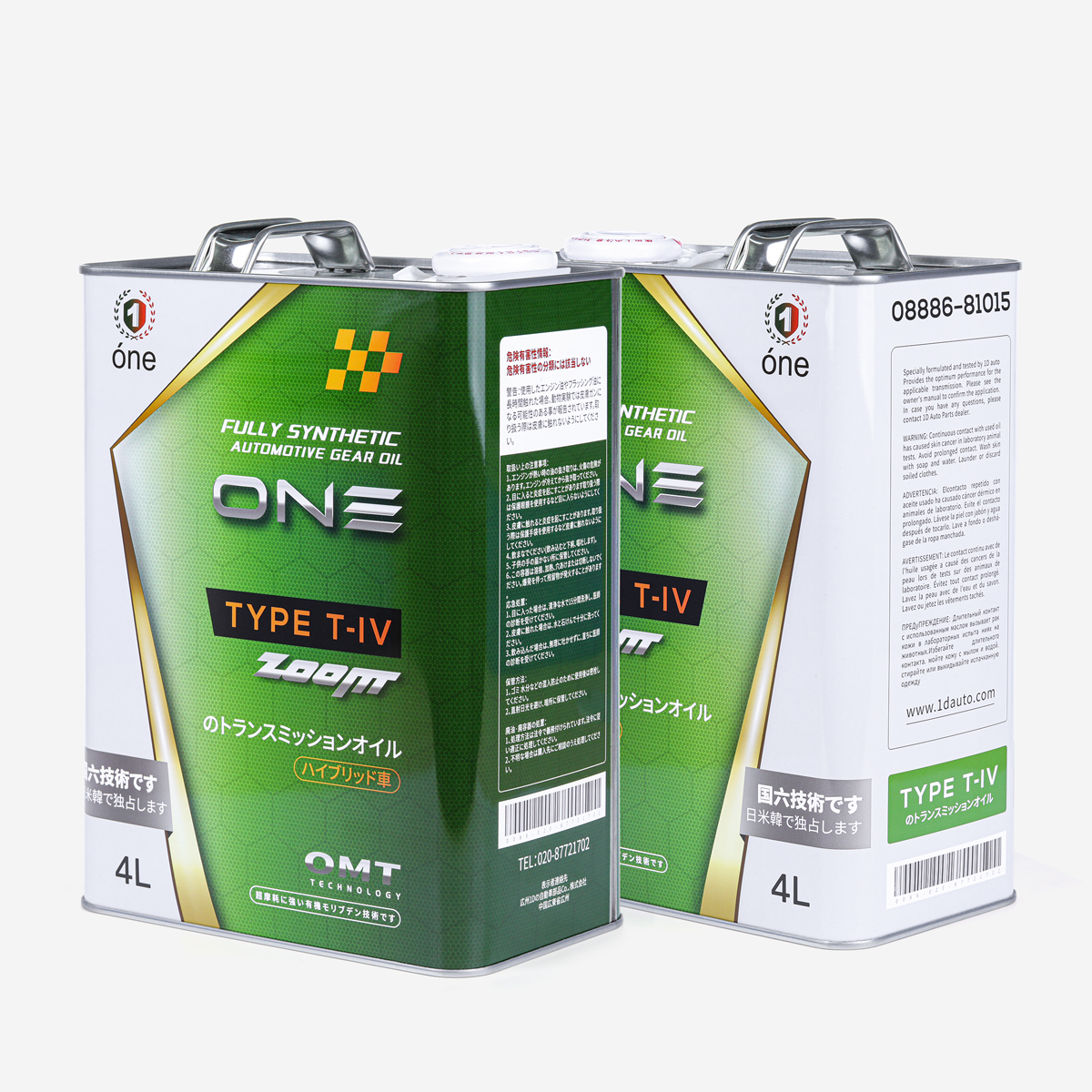
- Synthetic vs. Conventional: Synthetic oils are chemically engineered and offer better performance, longer life, and superior protection compared to conventional mineral-based oils. They are more expensive but provide better value in the long run.
- Additives: Engine oils contain various additives like detergents, dispersants, and antioxidants to enhance performance and protect against wear.
2. Common Engine Oil Types
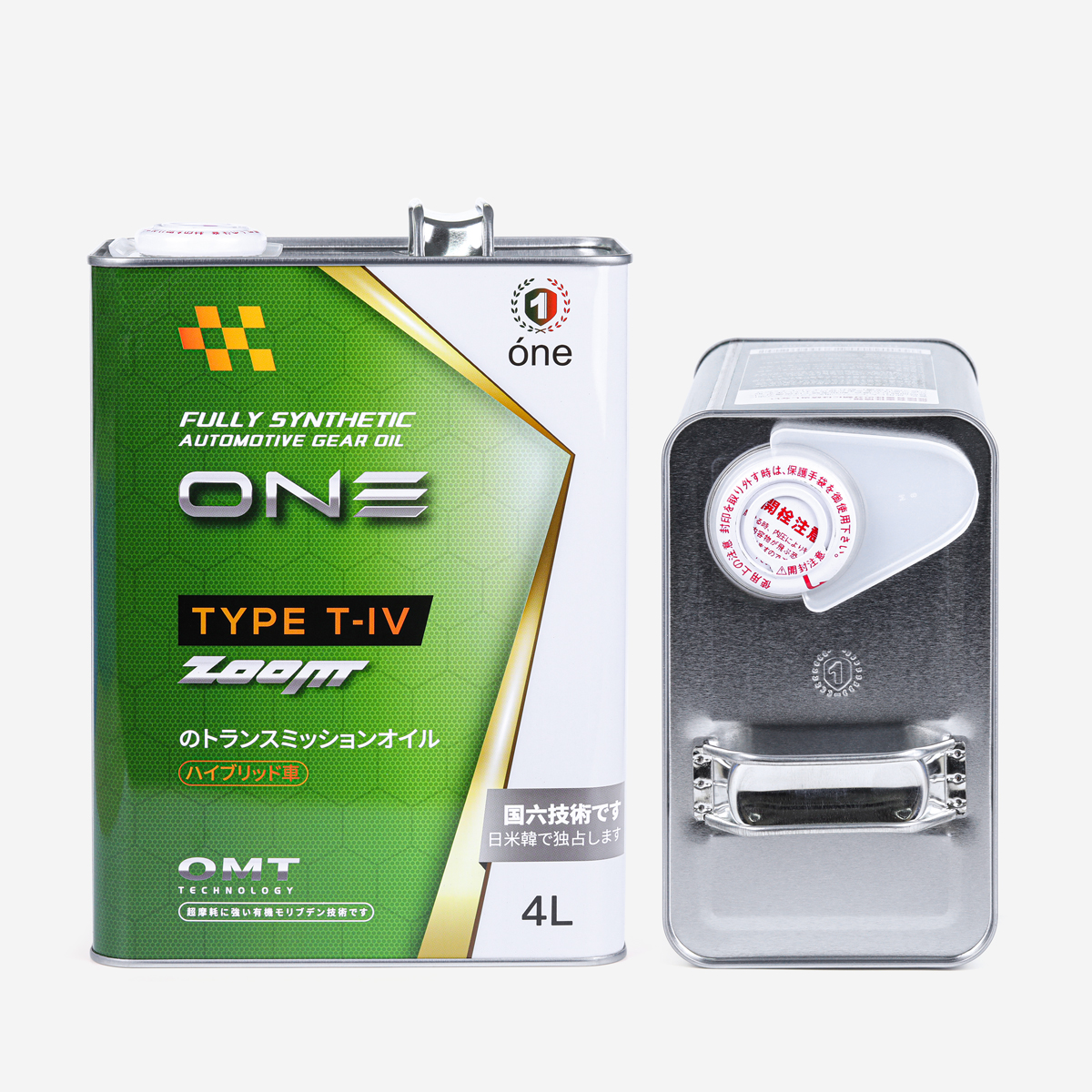
There are three main categories of engine oils:
b) Synthetic Blend: A mix of synthetic and conventional oils, providing a balance between cost and performance. They offer better protection than conventional oils but may not last as long as fully synthetic oils.
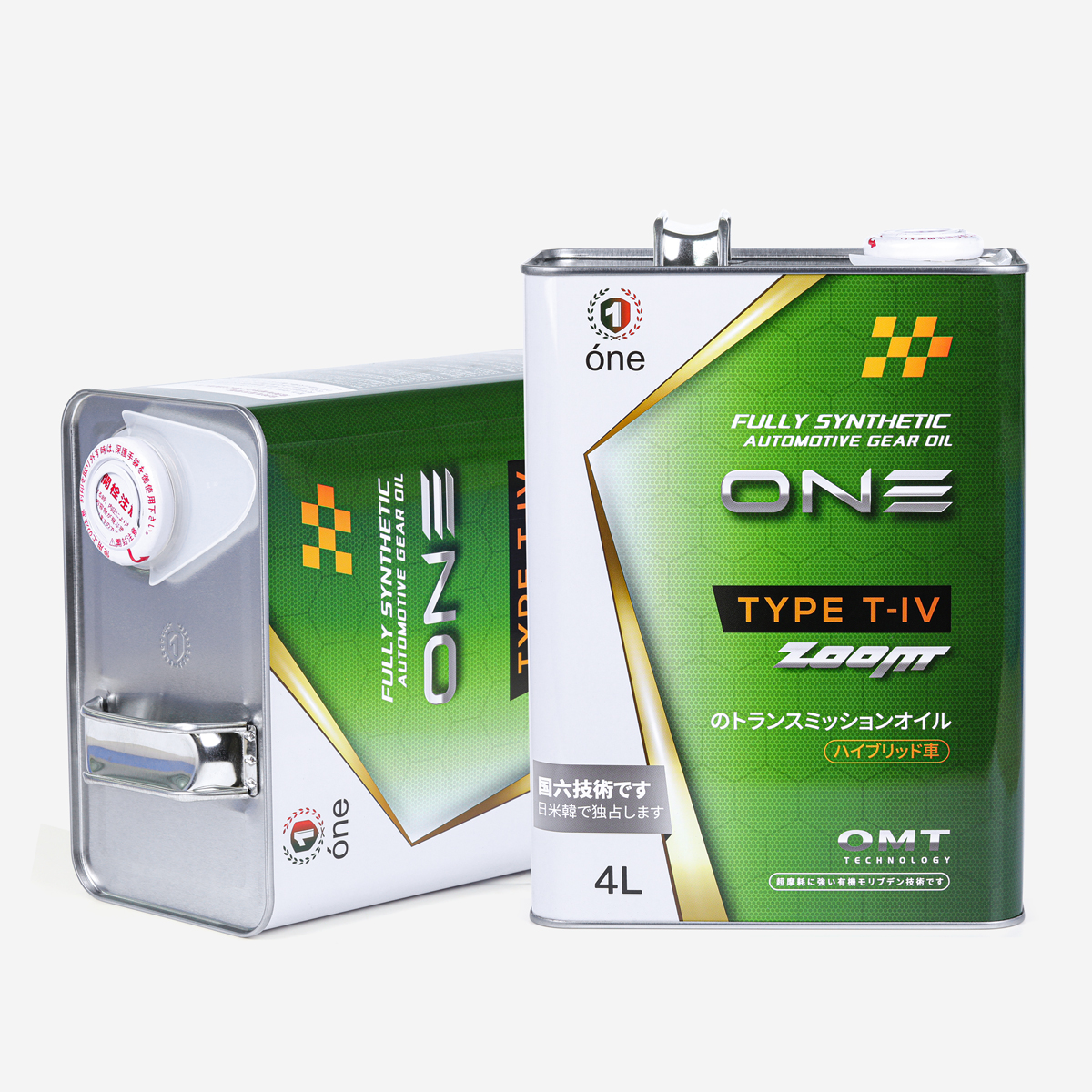
c) Full Synthetic: Engineered to offer exceptional performance, full synthetics have superior protection, high-temperature stability, and extended drain intervals. They are ideal for high-performance vehicles and extreme driving conditions.
3. Choosing the Right Oil for Your Vehicle
To select the right engine oil, consider the following factors:
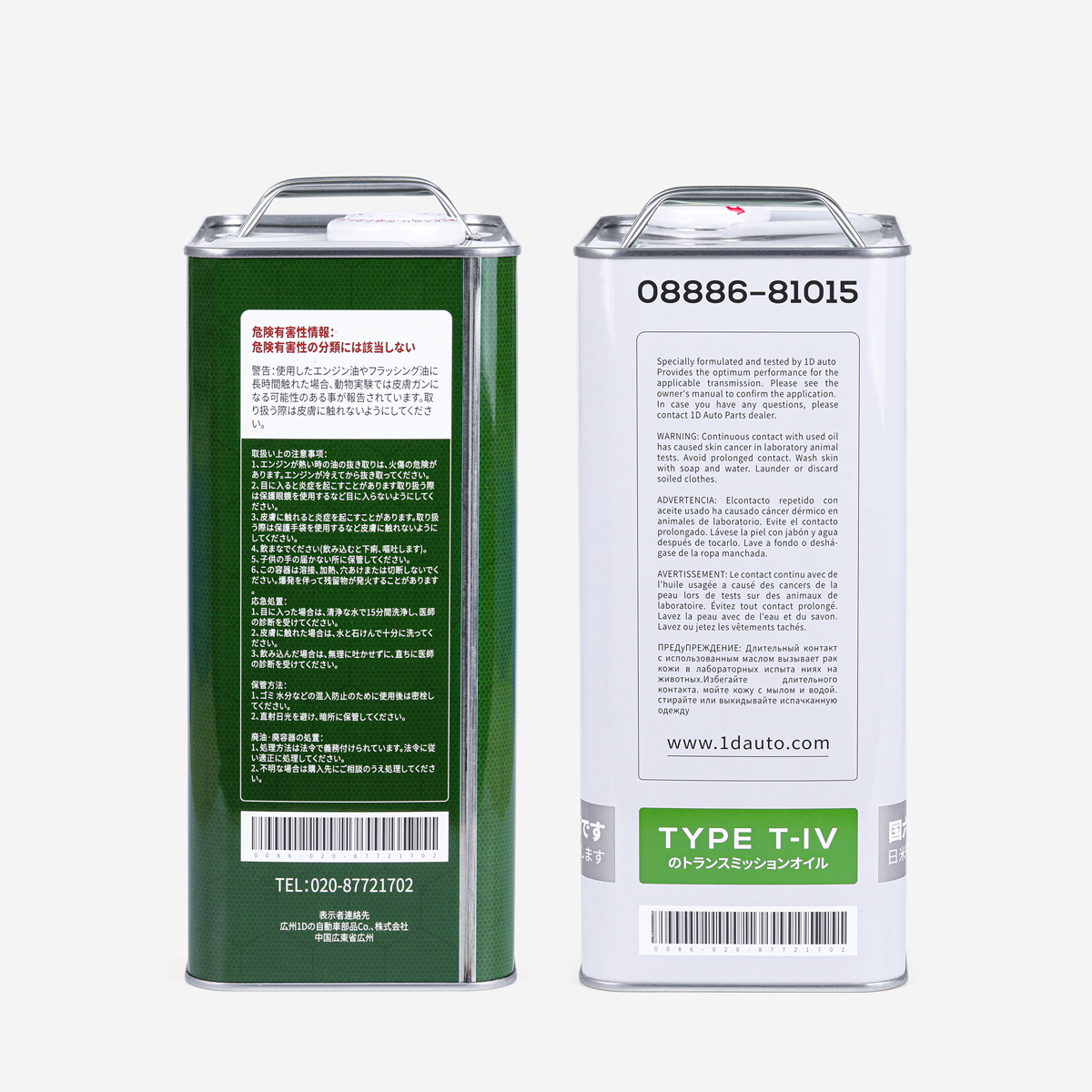
1. Check the Owner's Manual: Your vehicle's manual will specify the recommended oil viscosity, API rating, and any specific requirements (e.g., synthetic blend, full synthetic, or low-sulfate).
2. Climate: If you live in an area with extreme temperatures, opt for an oil with a suitable viscosity range for both cold starts and high operating temperatures. For cold climates, choose a lower winter-grade oil (e.g., 5W-20), while warmer regions may require a higher summer-grade oil (e.g., 0W-40).
3. Driving Conditions: If you frequently drive in dusty or severe conditions, consider an oil with added protection against contaminants and wear, such as an extended-life or synthetic blend.
4. Age and Mileage: Older vehicles may benefit from a more robust oil with added detergents and antioxidants, while newer, high-tech engines may perform best with a full synthetic.
5. Budget: Synthetic oils offer better performance and longevity but come at a higher cost. Determine your budget and weigh the benefits against the price.
If you want to buy high-quality engine oil, or other auto parts products, such as spark plug, ignition coil, etc., we sincerely hope you can contact us.
If you want to buy high-quality engine oil, or other auto parts products, such as spark plug, ignition coil, etc., we sincerely hope you can contact us.
Whatsapp: +86 18144837660
Web:www.1dauto.com. www.1doem.com
Email:onedauto@qq.com