

Sealant is a versatile adhesive product widely used in automotive maintenance for sealing and bonding various components. Understanding the application scope and correct usage of sealant is crucial for vehicle owners and mechanics to ensure effective repairs and maintenance. In this article, we will explore the application scope of sealant and discuss the proper methods for using sealant in automotive applications.
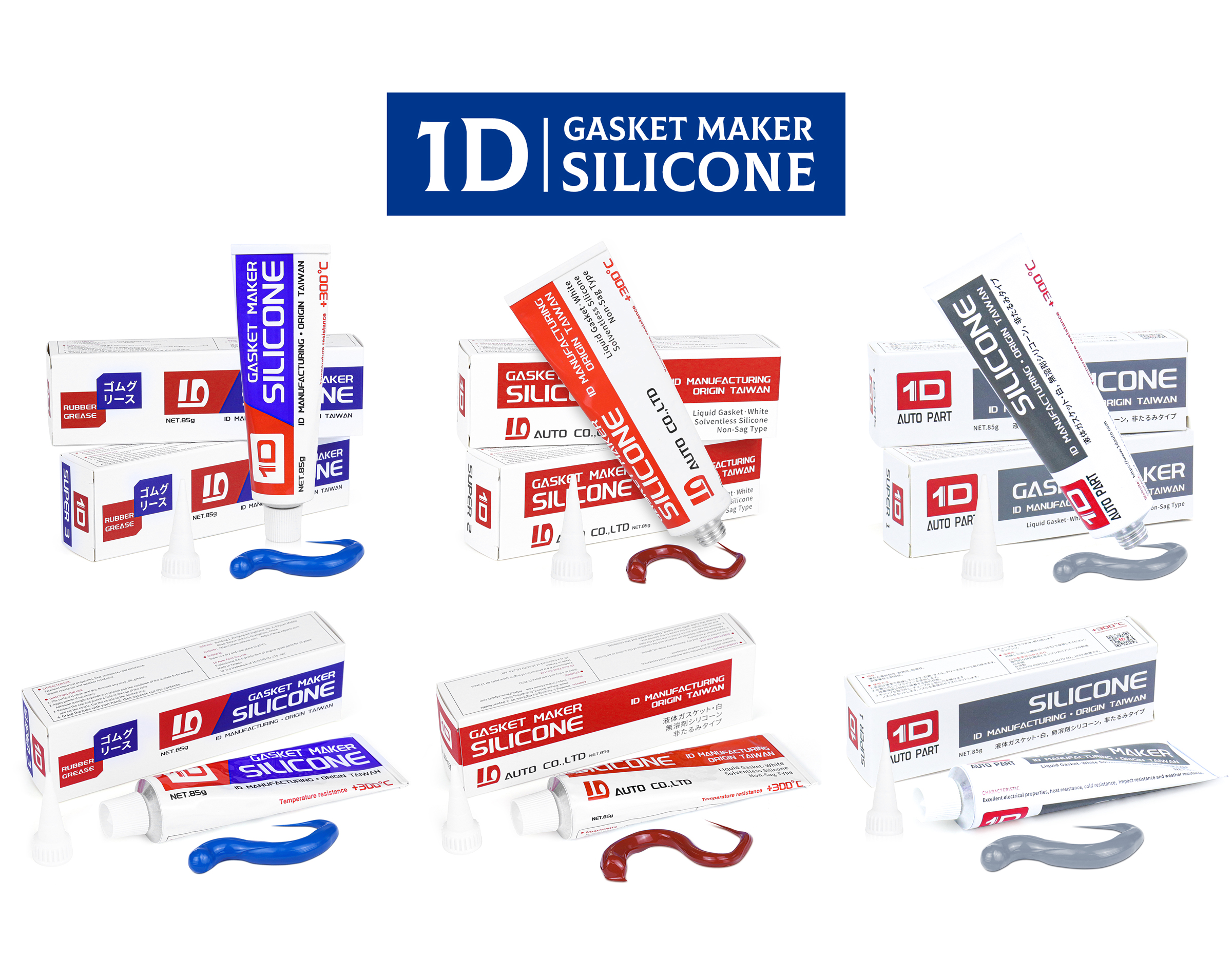
Application Scope of Sealant: Sealant plays a vital role in sealing and bonding automotive components to prevent leaks, gaps, and corrosion. It can be used in a wide range of applications in the automotive industry, including:
Engine Sealing: Sealant is commonly used to create a secure seal for engine gaskets, oil pans, valve covers, and other engine components to prevent oil leaks and ensure optimal engine performance.
Body Sealing: Sealant is applied to body seams, windows, sunroofs, and doors to prevent water leakage, reduce noise, and improve the overall structural integrity of the vehicle.
Electrical System Sealing: Sealant is used to protect electrical connections, wire harnesses, and components from moisture, dirt, and corrosion, ensuring reliable electrical performance.
Suspension and Brake System Sealing: Sealant helps prevent moisture and contaminants from penetrating critical components in the suspension and brake systems, maintaining their functionality and longevity.
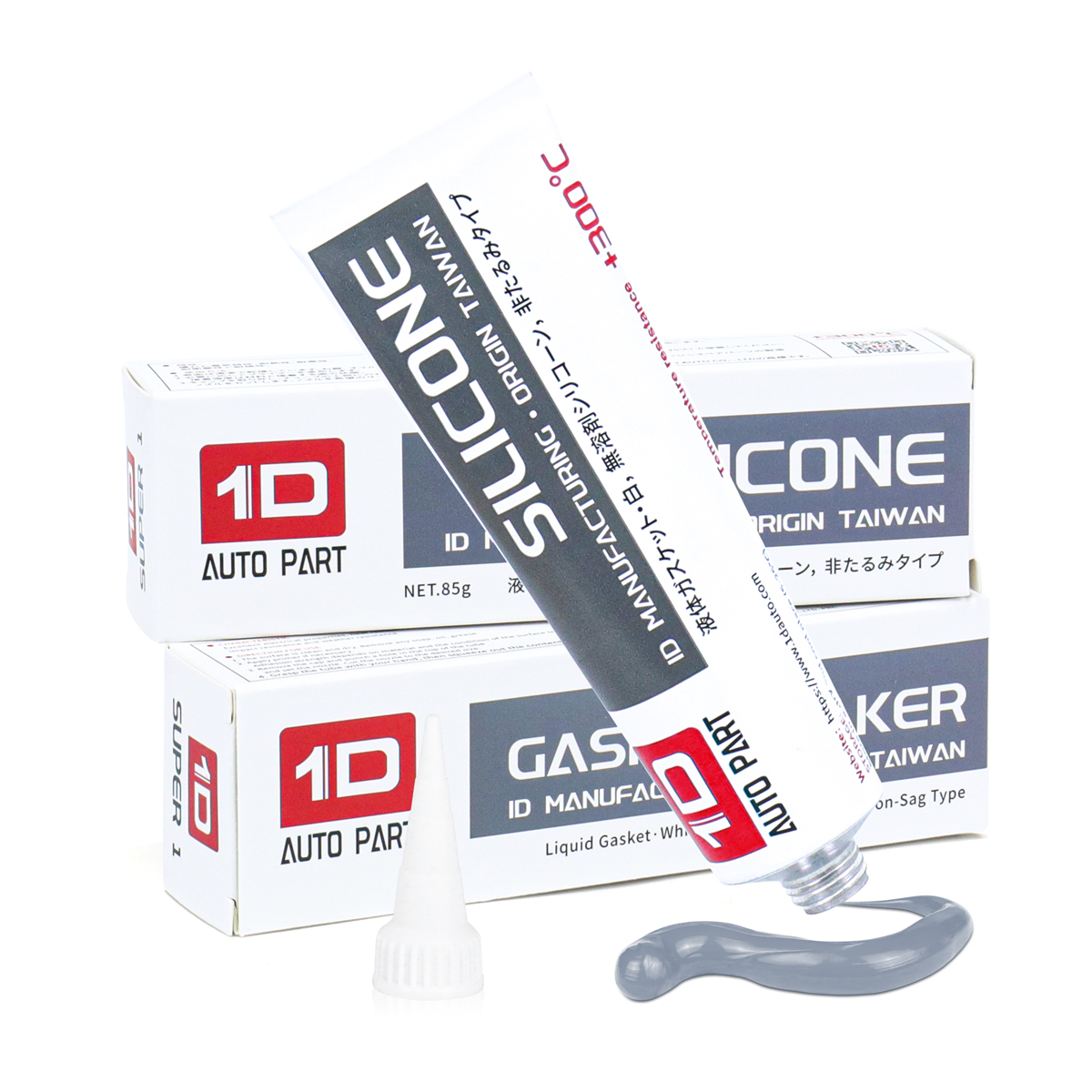
Proper Usage of Sealant: To ensure the effective application of sealant in automotive maintenance, following proper usage methods is essential:
Surface Preparation: Before applying sealant, ensure that the surfaces are clean, dry, and free of grease or debris to promote adhesion.
Application Technique: Apply sealant evenly and in the desired amount using a caulking gun, brush, or nozzle, depending on the application requirements.
Curing Time: Allow the sealant to cure for the recommended time specified by the manufacturer before subjecting the sealed component to stress or exposure to liquids.
Temperature and Environment: Consider the temperature and environmental conditions during application, as extreme temperatures or humidity can affect the curing and bonding of the sealant.
Storage and Handling: Store sealant in a cool, dry place, and ensure proper sealing of the container to prevent the sealant from drying out prematurely.
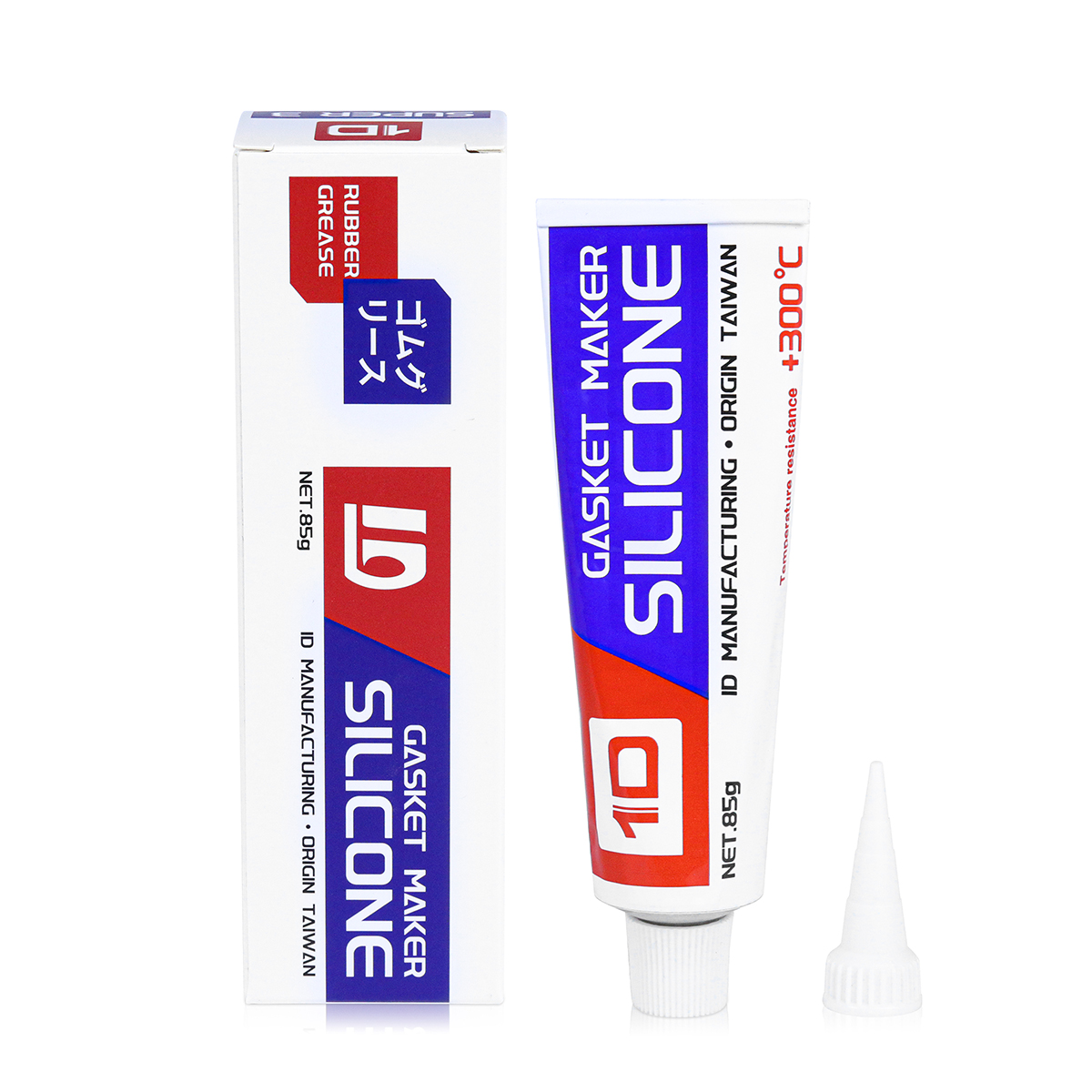
If you want to know more about auto parts, or if you want to buy new auto parts, you can contact 1D Auto Parts Company. We have been specializing in auto parts for fifteen years and have obtained ISO quality certification. We mainly sell spark plug, piston, piston ring, ignition coil, cylinder liner and other engine parts.
If you want to know more about auto parts, or if you want to buy new auto parts, you can contact 1D Auto Parts Company. We have been specializing in auto parts for fifteen years and have obtained ISO quality certification. We mainly sell spark plug, piston, piston ring, ignition coil, cylinder liner and other engine parts.
Contact us to learn more
Whatsapp: +86 18144837660
Web: www.1dauto.com www.1doem.com