

The fuel pump is a vital component of any vehicle's fuel system, responsible for delivering fuel from the tank to the engine. However, like any mechanical part, fuel pumps can develop faults over time. This article aims to provide a comprehensive guide on diagnosing and troubleshooting fuel pump issues, understanding the effects of fuel pump failure, and replacing a faulty fuel pump with a new one.
I. Fuel Pump Fault Diagnosis and Troubleshooting:
- 1. No Start or Engine Stalling: One of the most common symptoms of a failing fuel pump is the inability to start the engine or frequent stalling while driving. This occurs when the pump fails to provide the necessary fuel pressure to keep the engine running.
- 2. Whining Noise: A failing fuel pump may produce a high-pitched whining noise, especially when the vehicle is in motion. This noise indicates that the pump is straining to deliver fuel, possibly due to a clogged fuel filter or a weak motor.
- 3. Low Fuel Pressure: If the fuel pressure is consistently lower than the manufacturer's specifications, it may indicate a faulty fuel pump. A fuel pressure gauge can be used to measure the pressure at the fuel rail to confirm this issue.
- 4. Engine Misfires: A failing fuel pump can lead to inconsistent fuel delivery, resulting in engine misfires, hesitation, or a noticeable loss of power during acceleration.
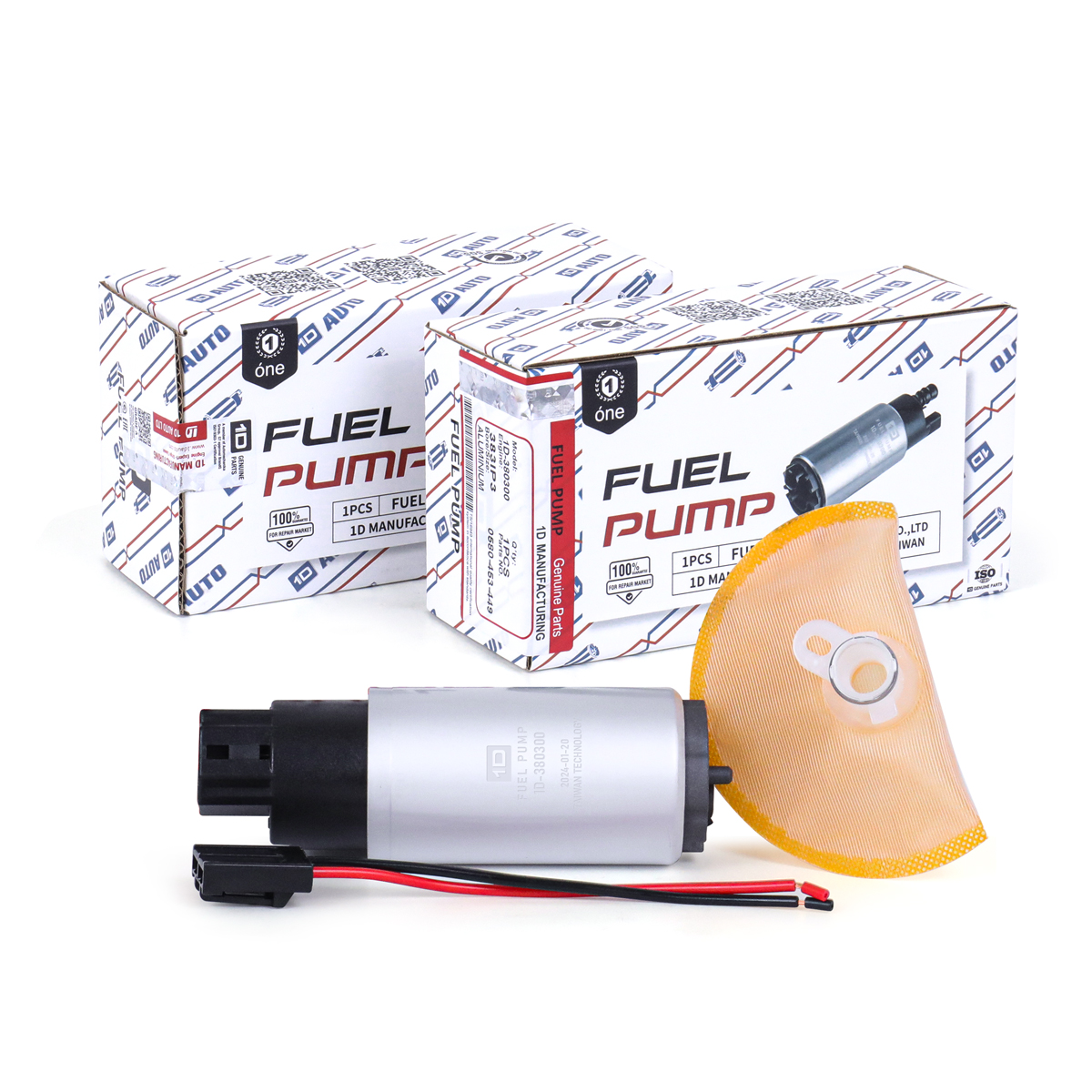
Choose a reliable fuel pump brand to replace, please choose 1D brand fuel pump
II. Effects of Fuel Pump Failure:
- 1. Engine Overheating: A malfunctioning fuel pump can cause the engine to run lean, leading to overheating. Insufficient fuel supply affects the air-fuel mixture, causing the engine to work harder and generate excessive heat.
- 2. Reduced Fuel Efficiency: Fuel pump failure can disrupt the fuel delivery process, resulting in poor fuel efficiency. The engine may consume more fuel than usual, leading to increased fuel costs.
- 3. Complete Engine Failure: In extreme cases, if the fuel pump fails completely, the engine may stop running altogether. This can be a dangerous situation, especially if it occurs while driving.
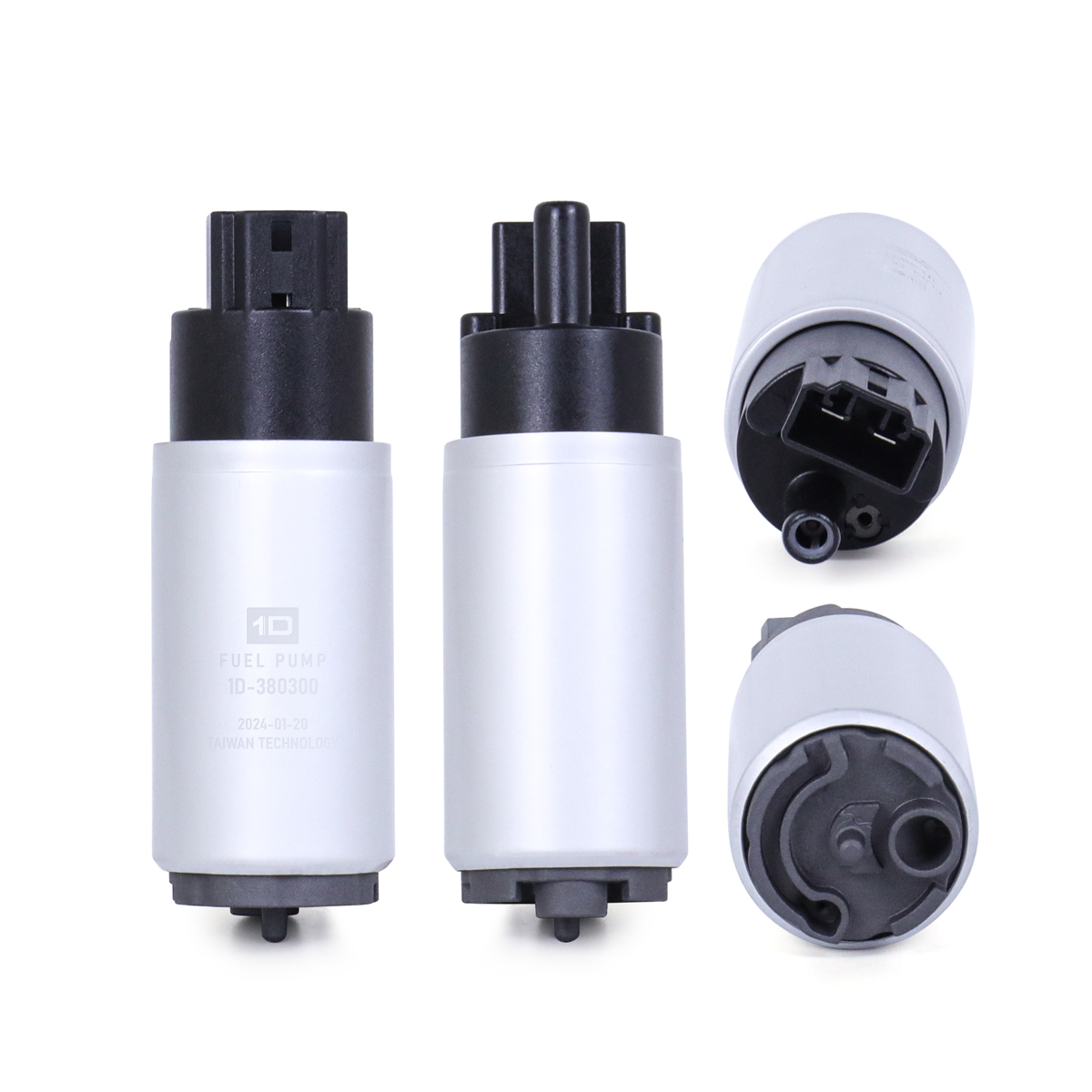
III. How to Replace a New Fuel Pump:
- 1. Gather the Necessary Tools: Before starting the replacement process, ensure you have the required tools, including a new fuel pump, fuel line disconnect tool, wrenches, and safety equipment.
- 2. Locate the Fuel Pump: The fuel pump is typically located inside the fuel tank. Consult the vehicle's manual or seek guidance from a professional to identify the exact location.
- 3. Prepare for Replacement: Begin by disconnecting the negative battery cable to prevent any electrical mishaps. Next, relieve the fuel system pressure by removing the fuel pump fuse or relay and running the engine until it stalls.
- 4. Remove the Fuel Pump: Carefully disconnect the fuel lines and electrical connectors attached to the fuel pump. Remove any retaining straps or bolts securing the pump to the tank, and then lift the pump out.
- 5. Install the New Fuel Pump: Place the new fuel pump into the tank, ensuring it is properly aligned. Reattach any retaining straps or bolts, and reconnect the fuel lines and electrical connectors.
- 6. Test the Replacement: Once the new fuel pump is installed, reconnect the negative battery cable and turn the ignition key to the "On" position without starting the engine. This will allow the fuel pump to pressurize the system. Check for any leaks and ensure the fuel pressure is within the manufacturer's specifications.
In addition to fuel pumps, our company also has many high quality products, such as pistons, ignition coils, piston ring, spark plug, cylinder liner, cylinder gasket, oil pump, crankshafts, fuel injection nozzles, and so on.
Our 1D company has its own factory, accept customization, low MOQ, can provide customers with reasonable prices.
If you are interested in our products, please feel free to contact us.
Contact us to learn more
Whatsapp : +86 18144837660
Wed : www.1dauto.com www.1doem.com