

Welcome to our informative article where we discuss the significance of regular fuel pump replacement for your vehicle. We understand that maintaining your car's fuel delivery system is crucial for optimal performance and longevity. In this customer-friendly guide, we will explain the replacement cycle and correct method for replacing your fuel pump, as well as the potential harm that can occur if it is not replaced in a timely manner.
1. Replacement Cycle of Fuel Pump:
The fuel pump is an essential component of your vehicle's fuel delivery system. While the replacement cycle may vary depending on the make and model of your car, it is generally recommended to replace the fuel pump every 80,000 to 100,000 miles (128,000 to 160,000 km). However, it is important to consult your vehicle's owner manual or a certified mechanic for the exact replacement interval.
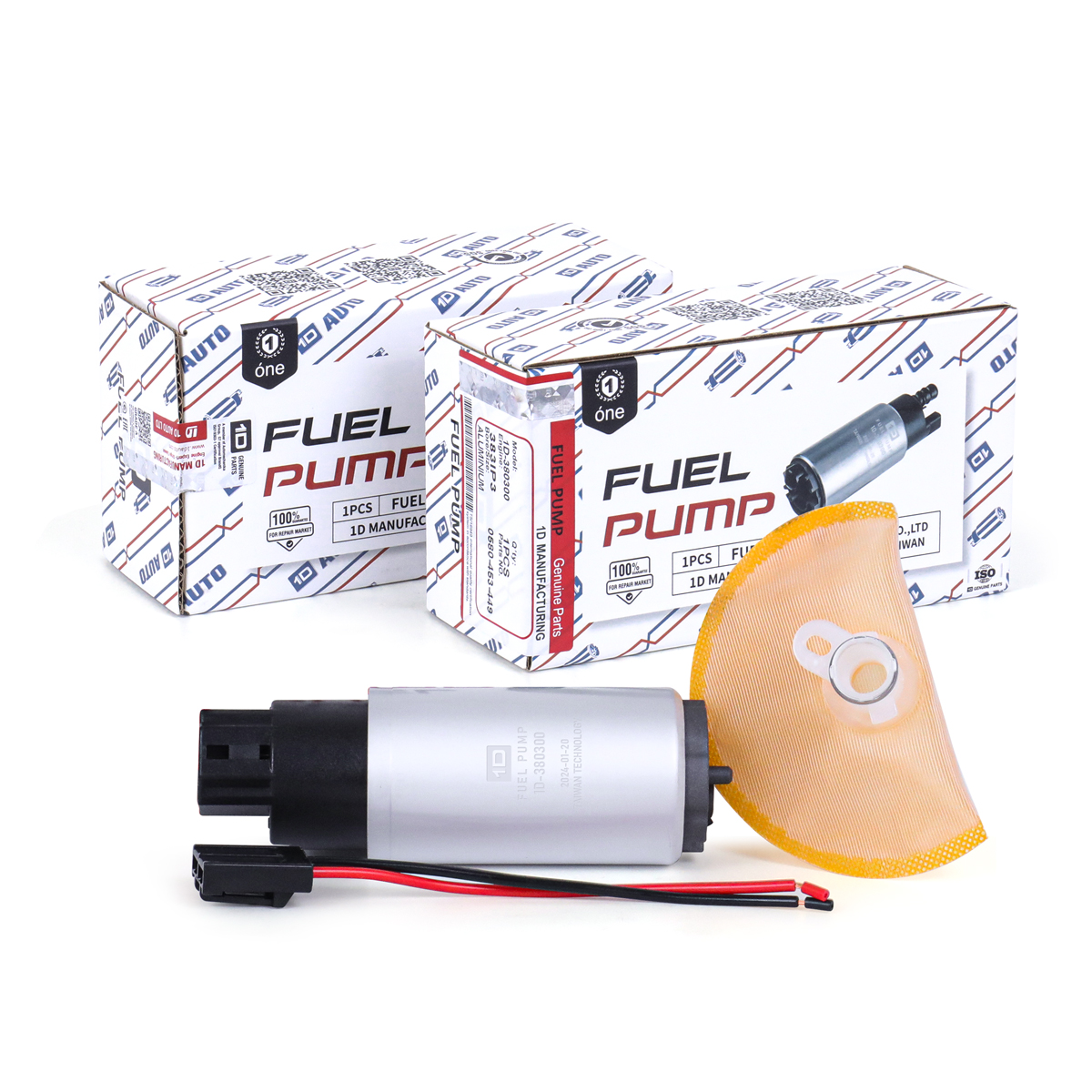
2. Correct Replacement Method of Fuel Pump:
Replacing a fuel pump requires technical expertise and should ideally be done by a professional mechanic. However, if you possess the necessary skills and knowledge, you can attempt the replacement yourself. Here are the general steps involved in replacing a fuel pump:
- a) Ensure your vehicle is parked in a safe and well-ventilated area.
- b) Disconnect the battery to prevent any electrical mishaps.
- c) Locate the fuel pump, which is typically found inside the fuel tank.
- d) Carefully remove any components obstructing access to the fuel pump.
- e) Disconnect the fuel lines and electrical connectors attached to the pump.
- f) Remove the old fuel pump and replace it with a new one.
- g) Reconnect the fuel lines and electrical connectors.
- h) Reinstall any components that were removed.
- i) Reconnect the battery and test the new fuel pump for proper functioning.
Remember, if you are unsure about any step or lack the necessary tools, it is always recommended to seek professional assistance.
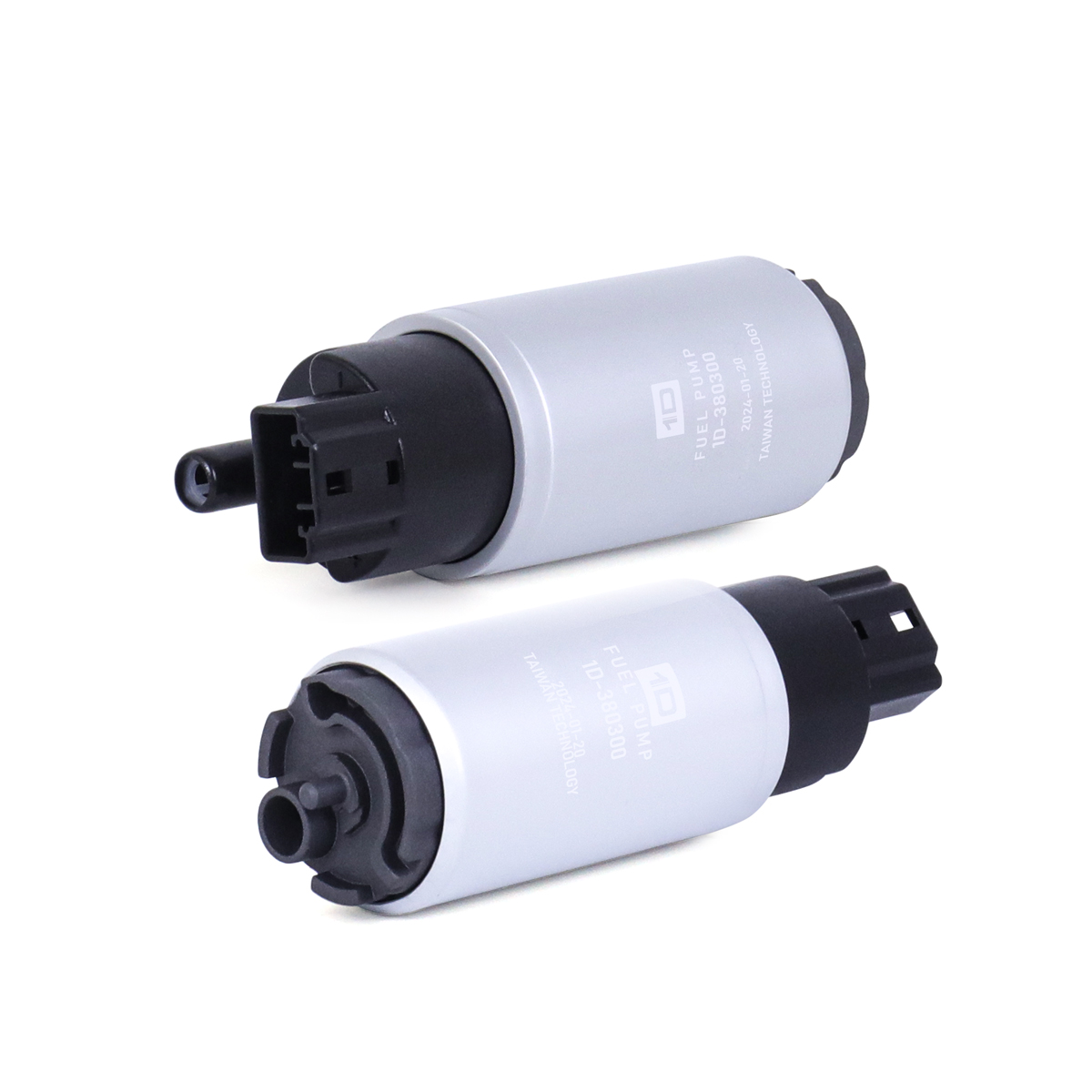
3. Consequences of Not Replacing the Fuel Pump:
Neglecting to replace a faulty fuel pump can lead to various problems that may harm your vehicle and compromise your safety.
- a) Engine Performance Issues: A worn-out fuel pump may not provide adequate fuel pressure, resulting in poor engine performance, reduced power, and sluggish acceleration. Your vehicle may struggle to start or experience frequent stalling.
- b) Increased Fuel Consumption: A failing fuel pump can disrupt the fuel delivery system, causing an imbalance in the air-fuel mixture. This imbalance can lead to excessive fuel consumption, reducing your car's fuel efficiency and increasing your expenses at the pump.
- c) Engine Overheating: Inadequate fuel flow can cause the engine to run lean, leading to overheating. Over time, this can cause severe engine damage and potentially result in costly repairs.
- d) Complete Engine Failure: If the fuel pump fails completely, your vehicle will stop running altogether. This can occur suddenly, leaving you stranded and requiring a costly tow.
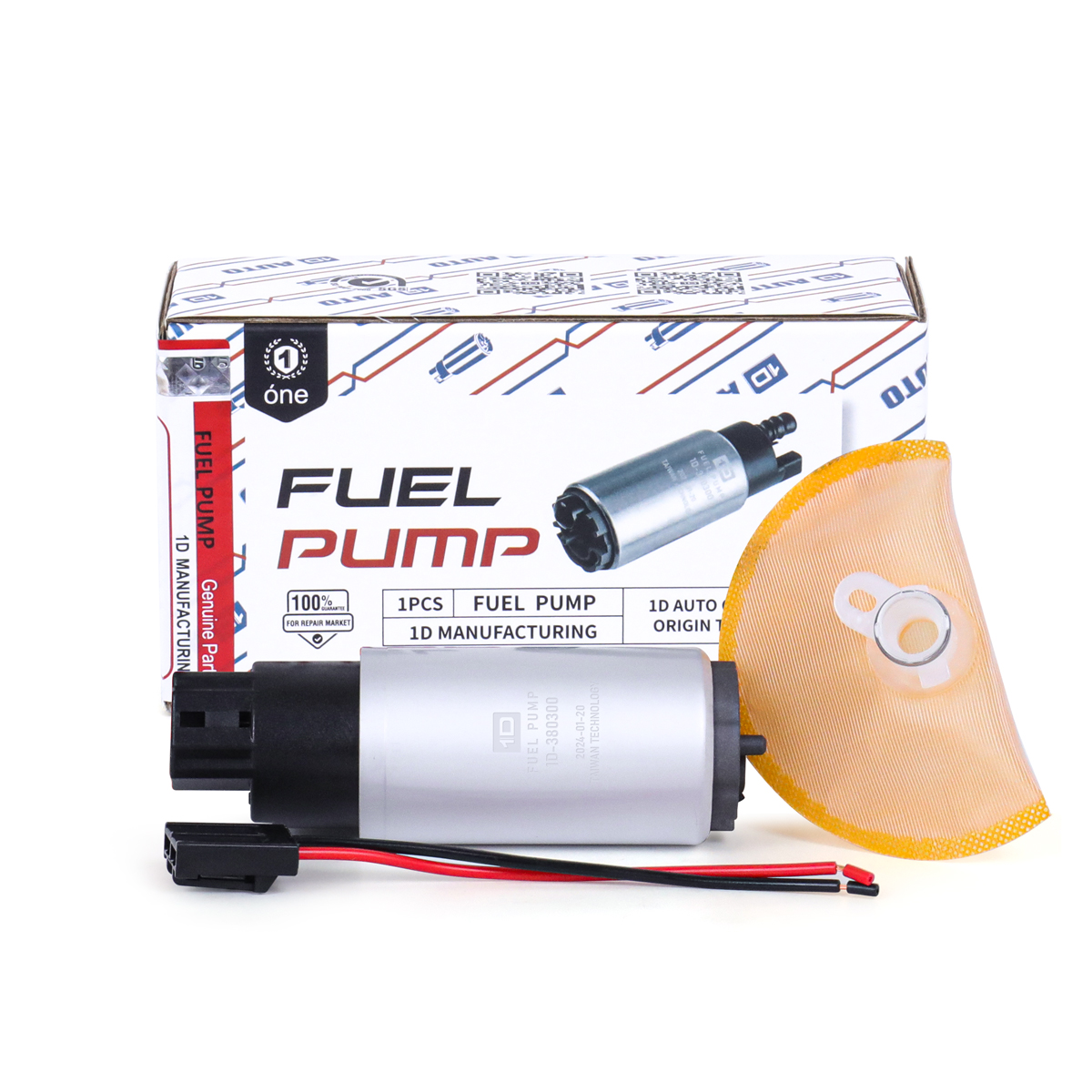
4.What are the signs that the fuel pump needs to be replaced?
There are several signs that indicate a fuel pump may need to be replaced:
- 1. Engine sputtering: If the fuel pump is not delivering enough fuel to the engine, it can cause the engine to sputter or hesitate during acceleration.
- 2. Difficulty starting: A failing fuel pump may not be able to provide the necessary fuel pressure to start the engine, resulting in prolonged cranking or difficulty starting the vehicle.
- 3. Engine stalling: A worn-out fuel pump may intermittently lose pressure, causing the engine to stall while driving or idling.
- 4. Decreased fuel efficiency: A failing fuel pump may not be able to deliver the correct amount of fuel to the engine, leading to decreased fuel efficiency and increased fuel consumption.
- 5. Loss of power: If the fuel pump is not supplying sufficient fuel to the engine, it can result in a noticeable loss of power, especially during acceleration or when climbing hills.
- 6. Whining noise: A worn-out or damaged fuel pump can produce a high-pitched whining noise, especially when the fuel tank is low or when the vehicle is under heavy load.
- 7. Fuel odor: A leaking fuel pump can cause a strong smell of gasoline around the vehicle, indicating a potential problem with the pump or its connections.
If you experience any of these signs, it is recommended to have the fuel pump inspected and replaced if necessary by a qualified mechanic.
----------
Finally, if you need to replace the fuel pump with a new one, you are welcome to contact 1D Auto Parts Company
1D Auto Parts Company has been specializing in auto parts for 15 years, with Taiwanese quality and guaranteed quality.
Our oil pump products are made of Japanese high-tech technology, exquisite packaging design, and have been recognized by many customers.
And the company has a lot of high quality products, such as piston, ignition coil, piston ring, spark plug, cylinder liner, cylinder gasket, oil pump, crankshaft, and so on.
Our 1D company has its own factory, accept customization, low MOQ, can provide customers with reasonable prices.
If you are interested in our products, please feel free to contact us.
Welcome to inquire WhatsApp: +86 18144837660
Website: www.1dauto.com www.1doem.com