

A cylinder liner, also known as a cylinder sleeve, is a vital component in an engine that provides a smooth surface for the piston to move up and down. However, when a cylinder liner is damaged, it can lead to a variety of issues such as decreased engine performance, increased oil consumption, and even potential engine failure. In such cases, it becomes necessary to replace the damaged cylinder liner.
When a cylinder liner is damaged, it can lead to several consequences. One common issue is a loss of compression, which can result in decreased engine power and efficiency. Additionally, a damaged cylinder liner can cause increased oil consumption as oil seeps past the damaged liner into the combustion chamber. In severe cases, a damaged cylinder liner can lead to overheating and potentially catastrophic engine failure.
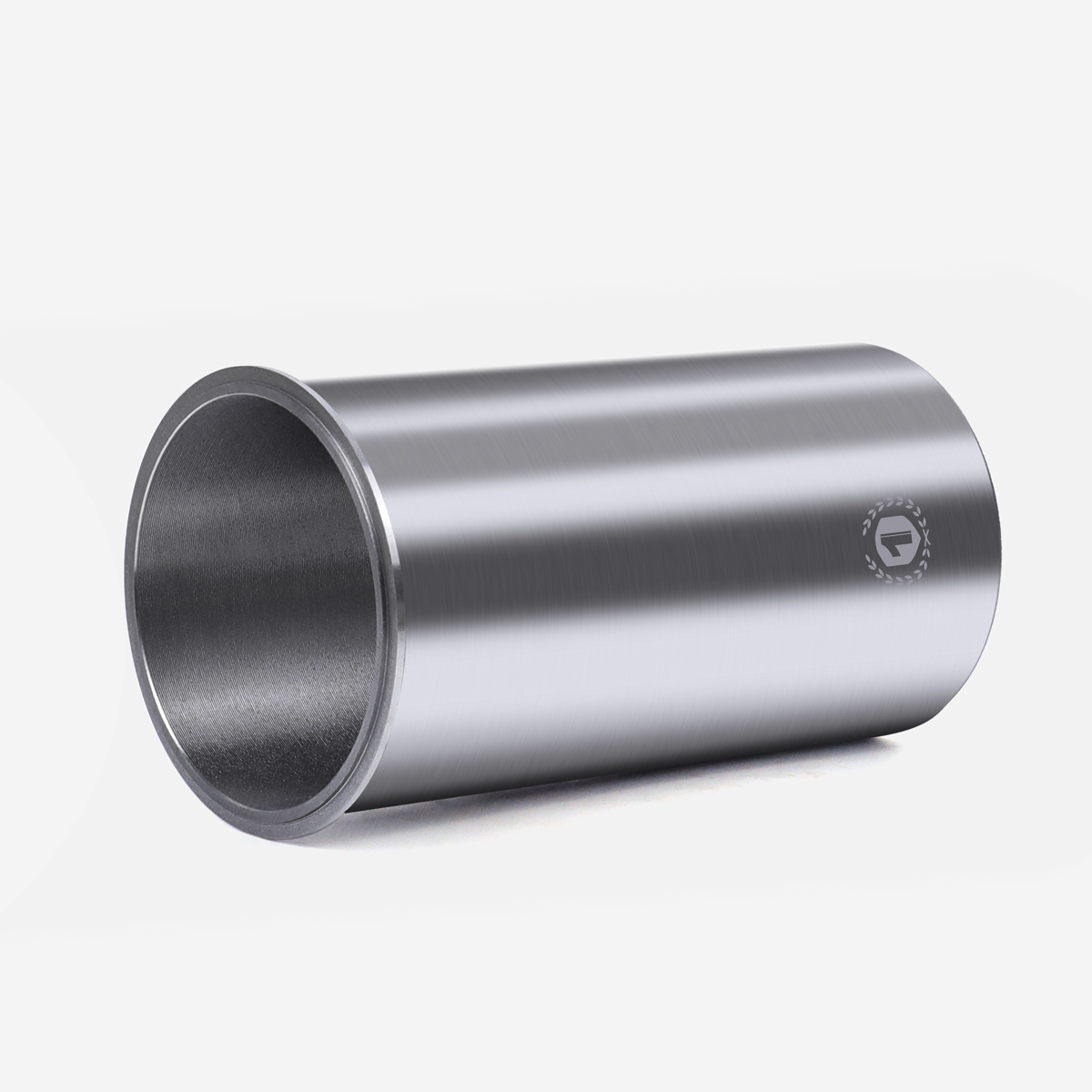
To replace a damaged cylinder liner correctly, it is essential to follow a systematic approach. Here are some steps to consider when replacing a cylinder liner:
- Identify the Damaged Cylinder Liner: Before beginning the replacement process, identify the specific cylinder liner that is damaged. Use diagnostic tools to pinpoint the exact location and extent of the damage.
- Prepare the Engine: Disconnect the battery and drain the engine coolant to prevent any spills or accidents during the replacement process. Remove any components that may obstruct access to the cylinder liner.
- Remove the Damaged Cylinder Liner: Carefully extract the damaged cylinder liner using appropriate tools. Take care not to damage the surrounding components during the removal process.
- Clean the Cylinder: Thoroughly clean the cylinder bore to remove any debris or contaminants that may affect the performance of the new cylinder liner.
- Install the New Cylinder Liner: Carefully insert the new cylinder liner into the cylinder bore, ensuring it is properly aligned and seated. Use a suitable installation tool to ensure a secure fit.
- Check for Proper Fit: After installing the new cylinder liner, check for proper fit and alignment. Ensure that the liner is flush with the cylinder block to prevent leaks or other issues.
- Reassemble the Engine: Once the new cylinder liner is in place, reassemble the engine components in the reverse order of disassembly. Ensure that all parts are properly secured and tightened to prevent any issues during engine operation.
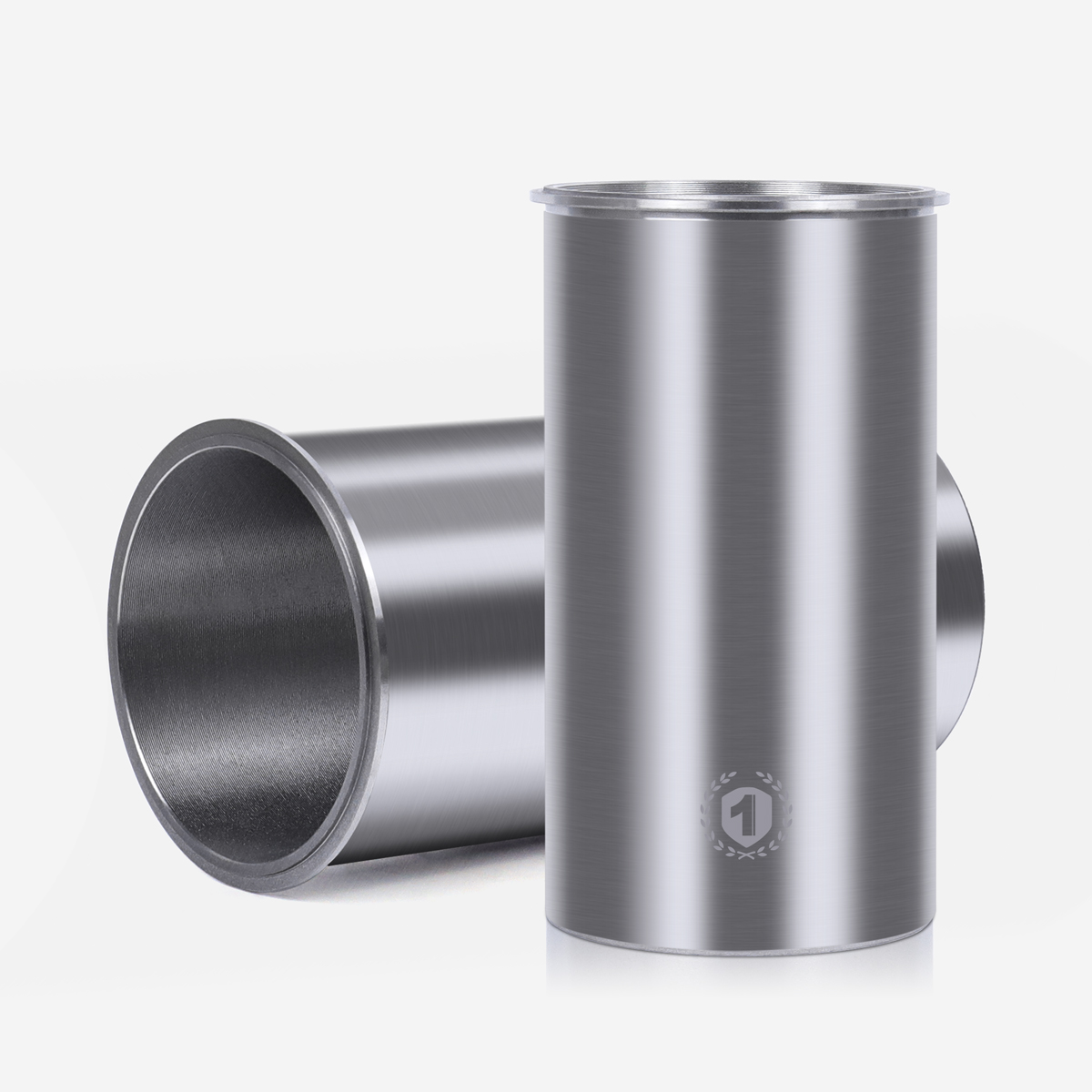
When replacing a cylinder liner, there are several key considerations to keep in mind:
- Quality of Replacement Liner: Use a high-quality replacement cylinder liner from a reputable manufacturer to ensure optimal performance and longevity.
- Proper Tools and Equipment: Use the appropriate tools and equipment for the replacement process to prevent damage to the engine components.
- Follow Manufacturer Guidelines: Refer to the manufacturer's recommendations and specifications for replacing the cylinder liner to ensure proper installation and performance.
- Professional Assistance: If you are not confident in your ability to replace a cylinder liner, seek professional assistance from a qualified mechanic or technician.
Replacing a damaged cylinder liner is a critical task that requires attention to detail and precision. By following the steps outlined above and considering the key factors involved in the replacement process, you can ensure that your engine operates smoothly and efficiently with a new cylinder liner in place.
Our cylinder liner products cover 90% of the models on the market, including: cylinder liner For TOYOTA, cylinder liner For ISUZU, cylinder liner Mitsubishi, cylinder liner Nissan, etc.
If you want to know more about our products, please contact us.
Contact us to learn more
Whatsapp : +86 18144837660
Wed : www.1dauto.com www.1doem.com