

Replacing the crankshaft in an engine is a complex task that requires precision and attention to detail. Here is a step-by-step guide on how to replace the crankshaft, along with precautions to take and the importance of this critical engine component.

How to Replace the Crankshaft:
- Drain the engine oil and coolant.
- Remove the engine components surrounding the crankshaft, including the oil pan, timing belt or chain, and pistons.
- Unbolt the main bearing caps and carefully remove the old crankshaft.
- Inspect the new crankshaft for any defects or damage before installation.
- Install the new crankshaft, ensuring proper alignment and torque specifications.
- Reassemble the engine components in the reverse order of removal.
- Refill the engine with fresh oil and coolant.
Precautions for Crankshaft Replacement:
- Handle the crankshaft with care to avoid any scratches or damage to the surfaces.
- Use the appropriate tools and equipment to prevent any mishaps during the replacement process.
- Follow the manufacturer's specifications and torque values for all bolts and components.
- Double-check the alignment and positioning of the crankshaft before securing it in place.
- Perform a thorough inspection of the surrounding components for any signs of wear or damage that may have contributed to the crankshaft failure.
Work of the Crankshaft:
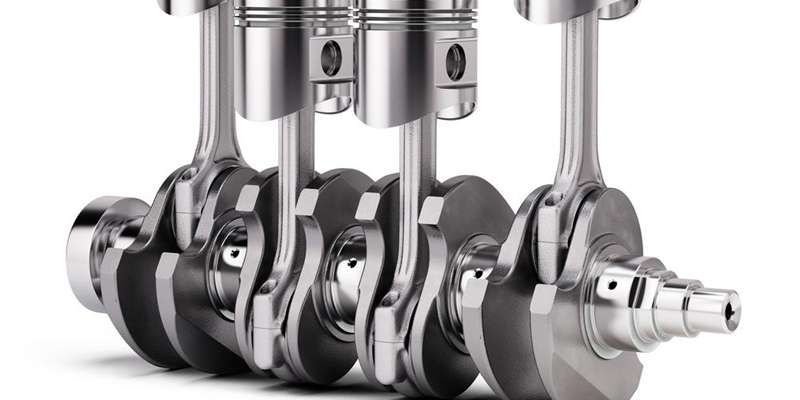
The crankshaft is a vital component of the engine that converts the linear motion of the pistons into rotational motion. It provides a connection between the pistons and the transmission, transmitting power to the wheels. The crankshaft must withstand high levels of stress and heat, making it crucial to maintain its integrity for optimal engine performance.
In addition to crankshafts, our 1D company has many popular products: pistons, piston rings, spark plug, Glow plug, ignition coil, cylinder liner, fuel injector, Full Gakset, etc.
If you want to know more products, please contact us, we can provide you with more suitable products, more favorable prices.
Contact us to learn more
Whatsapp : +86 18144837660
Wed : www.1dauto.com www.1doem.com